Network Security case study

Network Forensics and Snort Detection Engineering

Investigated keylogger exfiltration in packet traffic and created Snort rules for ICMP and Nmap SYN-scan detection.

Skills demonstrated

  • Filtered traffic by protocol, host, port, flags, and credential-related strings.
  • Traced keylogger exfiltration from the victim to attacker infrastructure.
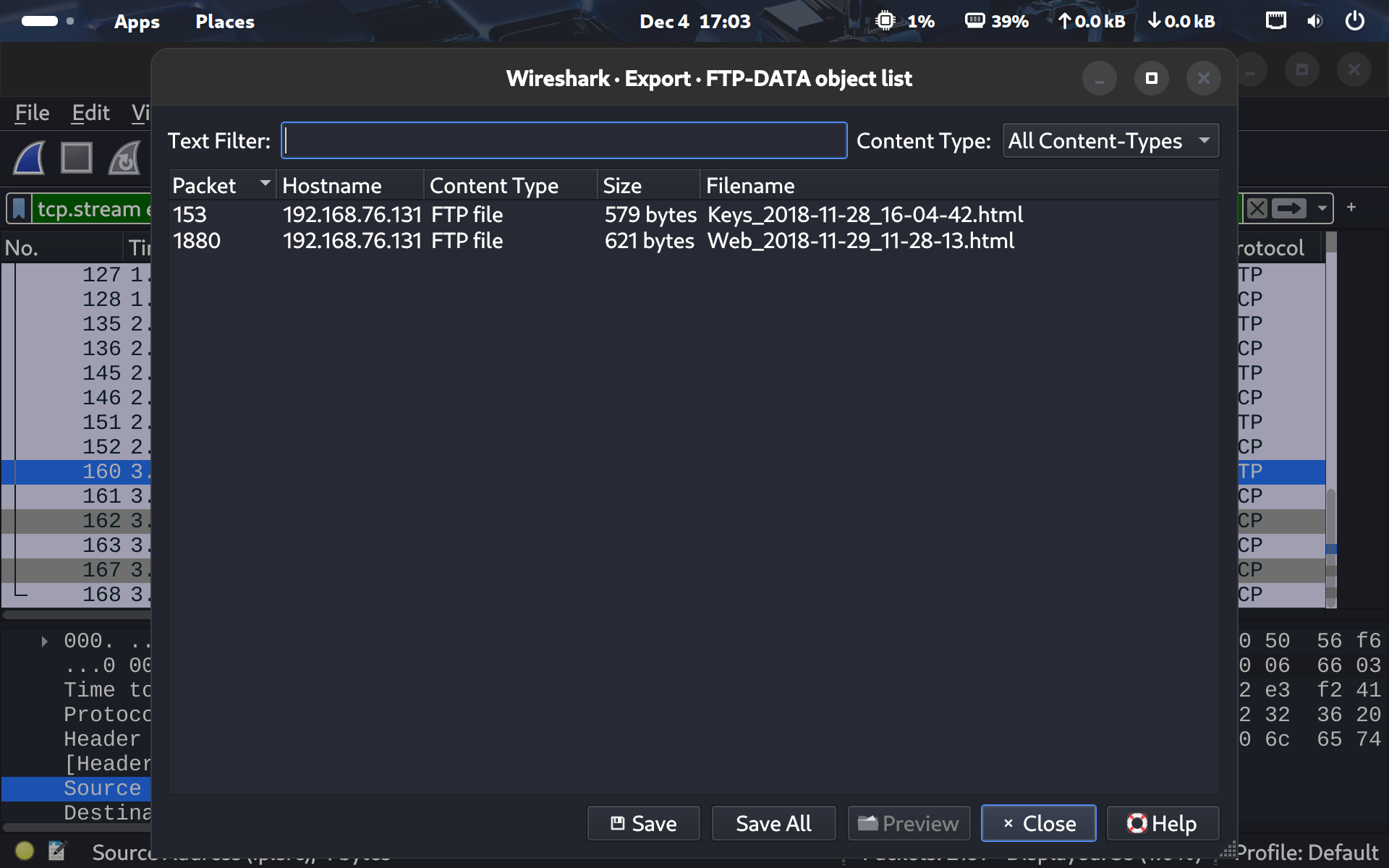
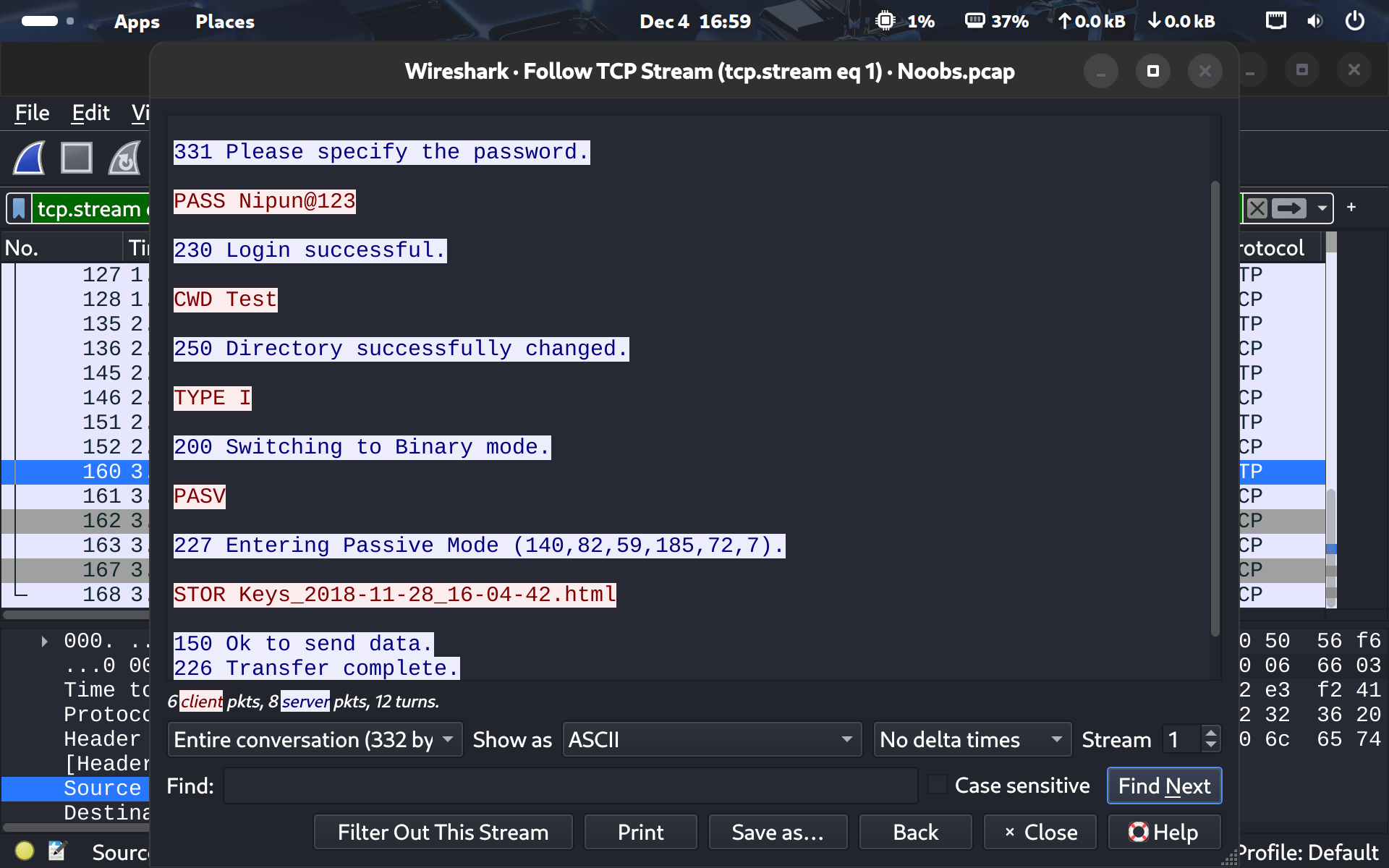
  • Recovered the username, password, URL, and two transferred HTML files.
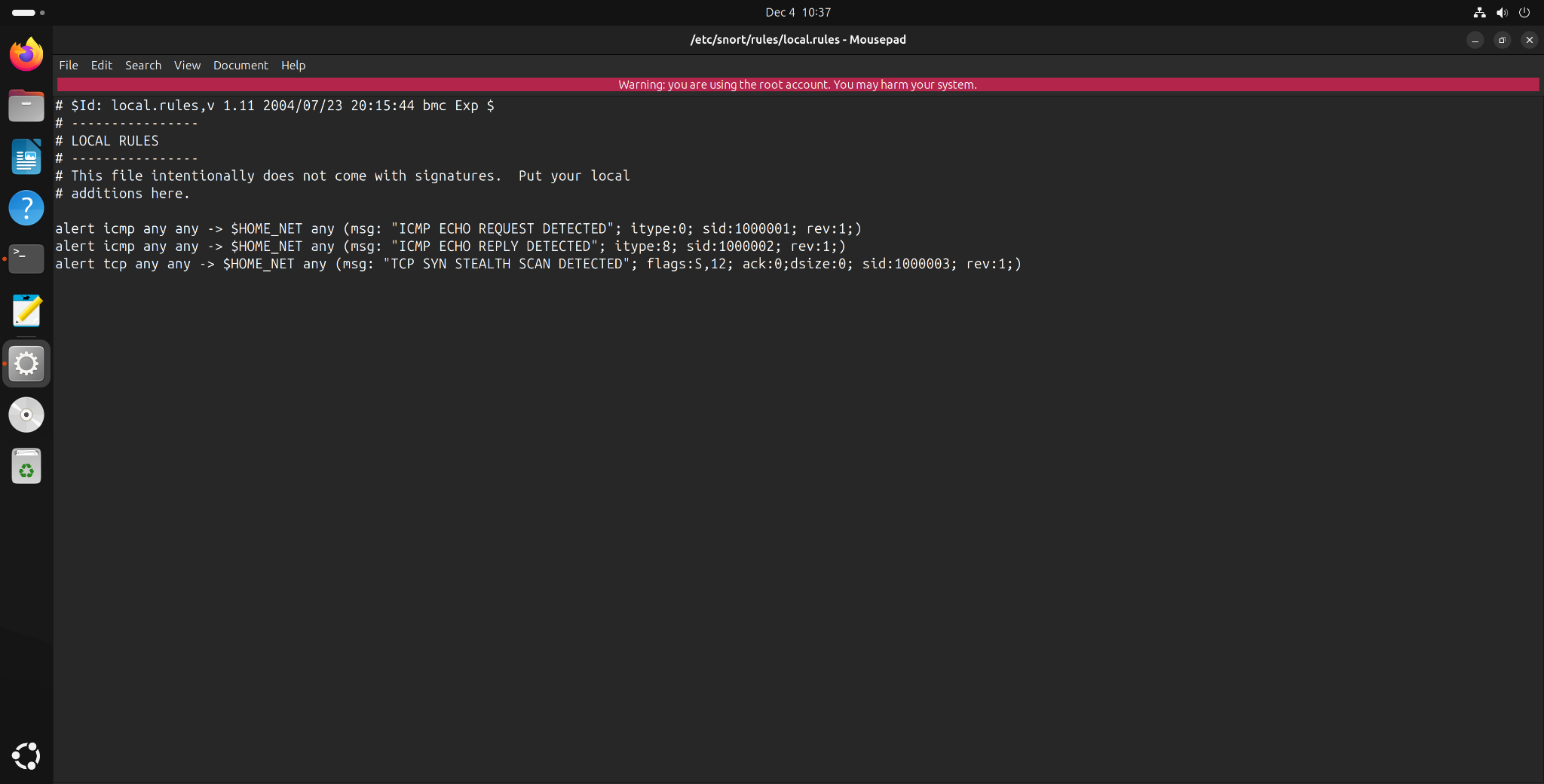
  • Created Snort rules for ICMP echo behavior and Nmap-style SYN packets with no payload.
Tools used

  • Wireshark
  • Snort
  • PCAP analysis
  • FTP/HTTP analysis
  • Nmap traffic patterns

Project detail

Detection Rules

The Snort rules used in this lab are published as text in rules/local.rules, transcribed from the Ref 5 screenshot and corrected as noted below.

SIDMessageLogic
1000001ICMP ECHO REPLY DETECTEDitype:0
1000002ICMP ECHO REQUEST DETECTEDitype:8
1000003TCP SYN STEALTH SCAN DETECTEDflags:S,12; ack:0; dsize:0

Changelog: The screenshot originally labelled SID 1000001 (itype:0) as "ECHO REQUEST" and SID 1000002 (itype:8) as "ECHO REPLY". Only the msg strings were corrected so they match ICMP semantics (type 8 = Echo Request, type 0 = Echo Reply). Detection logic is unchanged.

Project detail

MITRE ATT&CK Mapping

TechniqueIDEvidence in this lab
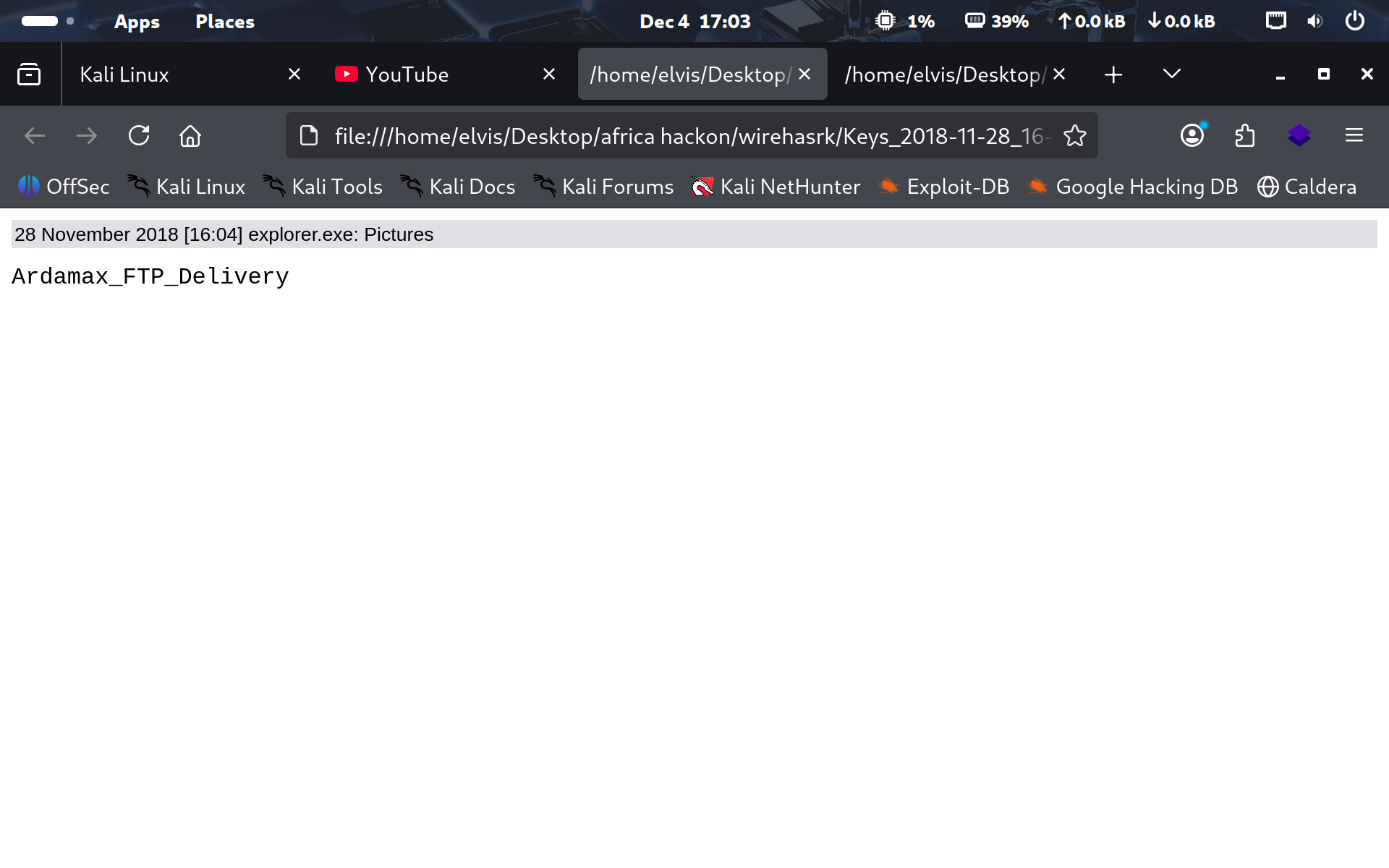
Input Capture: KeyloggingT1056.001Recovered keylogger artifact (Ref 3)
Exfiltration Over Alternative Protocol (unencrypted FTP)T1048.003FTP-DATA transfer of keylogger HTML files to attacker host (Ref 2)
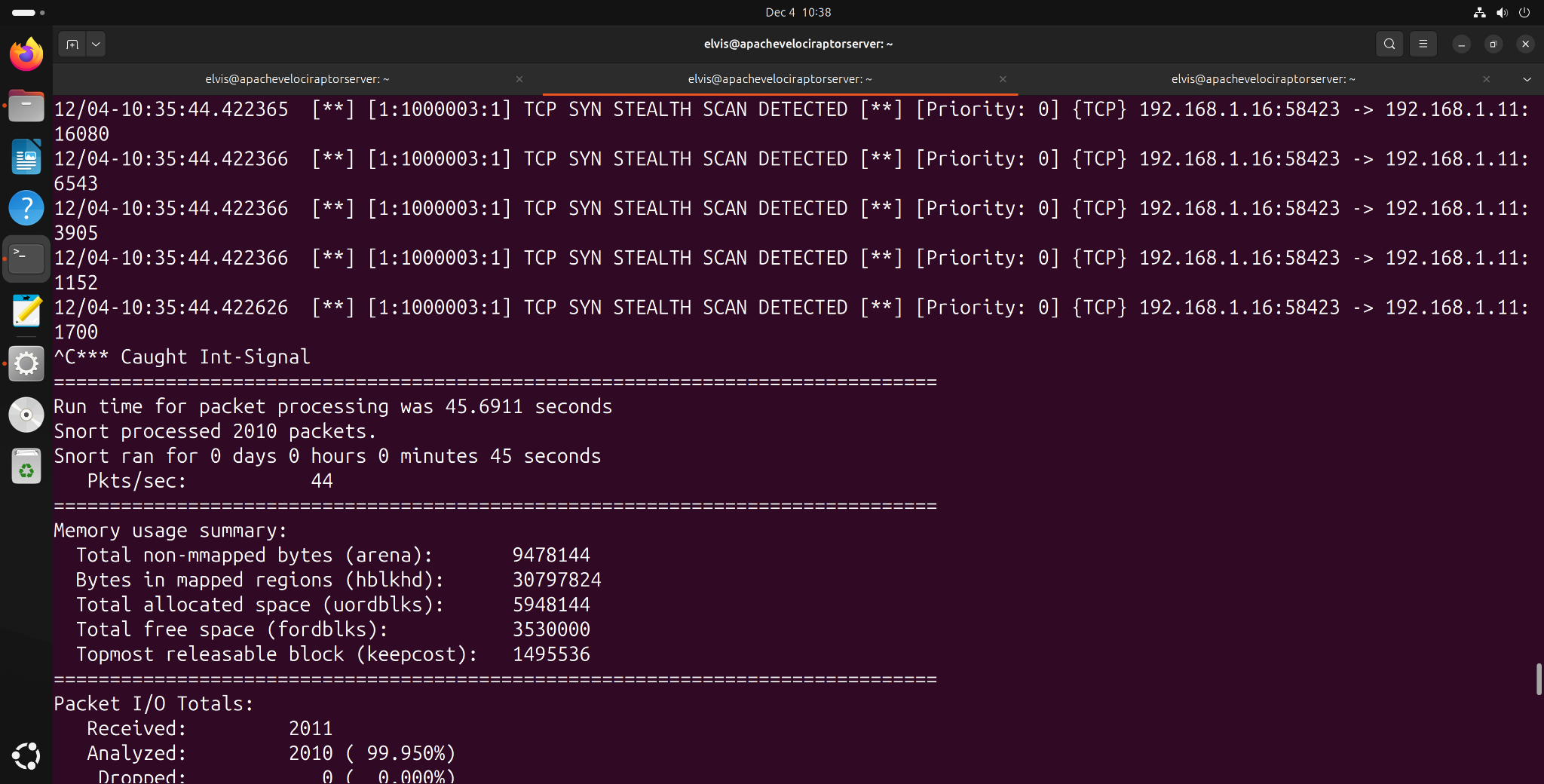
Network Service DiscoveryT1046Nmap -sS scan detected by SID 1000003 (Refs 6, 8)
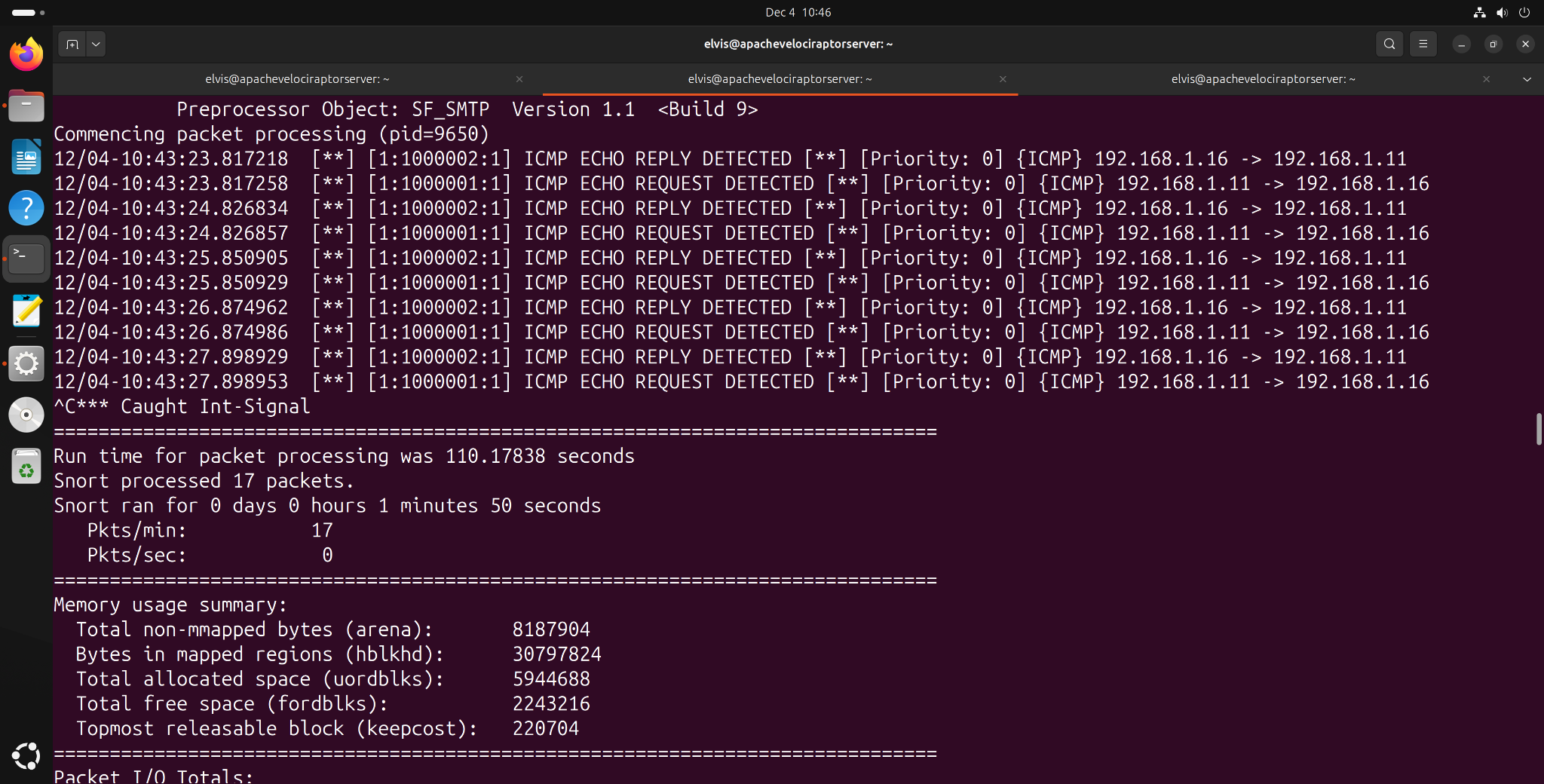
Remote System Discovery (ping sweep)T1018ICMP echo traffic detected by SIDs 1000001/1000002 (Refs 7, 9)

Technical walkthrough

Lab evidence and investigation steps.

Open on GitHub
Ref 1: Wireshark Follow TCP Stream exposes the FTP password Nipun@123 and confirms upload of the keylogger HTML artifact.
Ref 1: Wireshark Follow TCP Stream exposes the FTP password `Nipun@123` and confirms upload of the keylogger HTML artifact.
Ref 2: Wireshark FTP-DATA object export identifies the two transferred HTML files and their source host.
Ref 3: Recovered keylogger artifact shows the captured Windows Explorer activity for the Pictures directory.
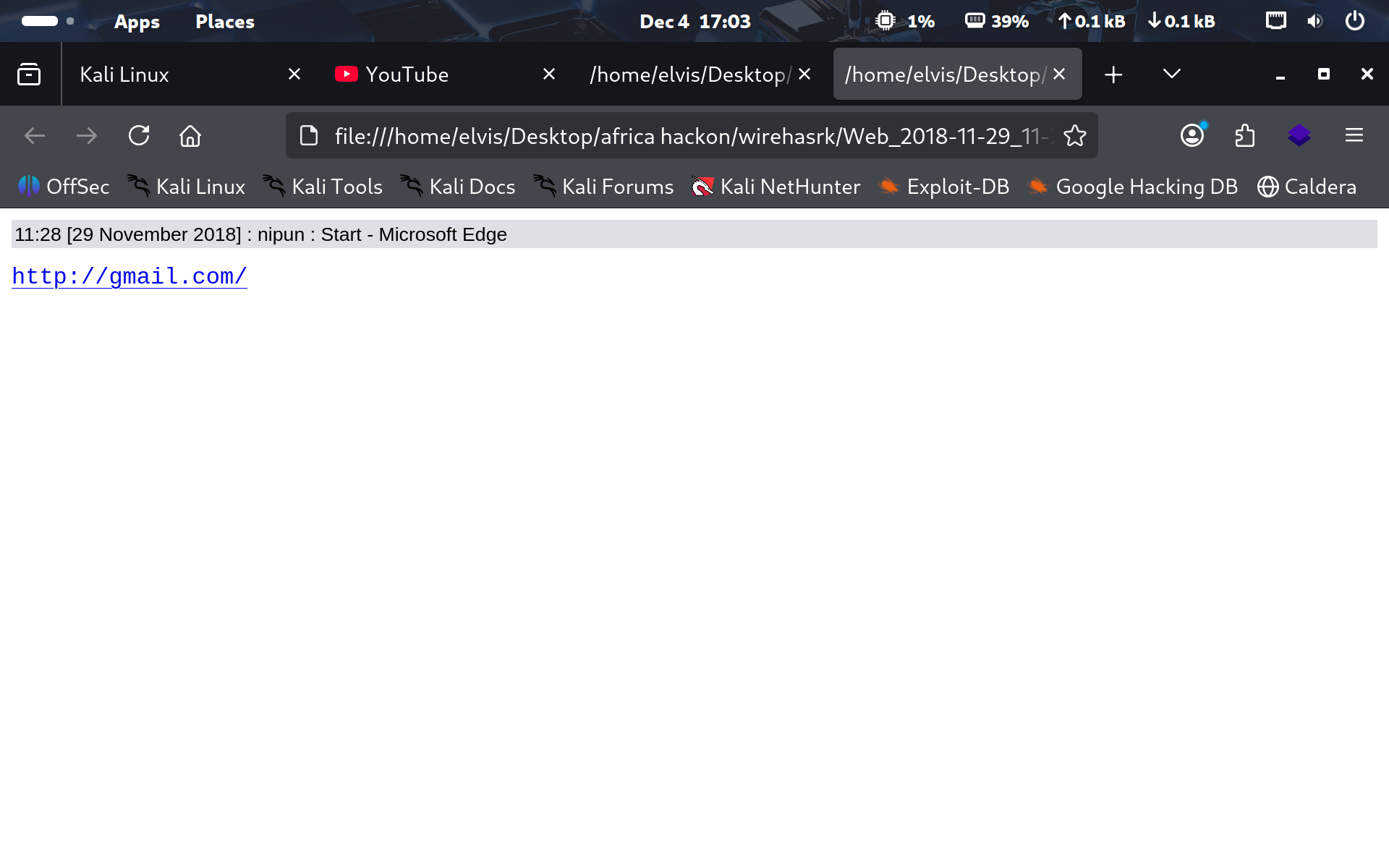
Ref 4: Recovered browser artifact records the user nipun opening http://gmail.com/ in Microsoft Edge.
Ref 4: Recovered browser artifact records the user `nipun` opening `http://gmail.com/` in Microsoft Edge.
Ref 5: Custom Snort local rules define ICMP echo request, ICMP echo reply, and TCP SYN stealth scan detections.
Ref 6: Snort alert output confirms the TCP SYN stealth scan rule triggers on Nmap -sS traffic.
Ref 6: Snort alert output confirms the TCP SYN stealth scan rule triggers on Nmap `-sS` traffic.
Ref 7: Snort alert output verifies the ICMP request and reply rules during ping traffic between the monitored hosts.
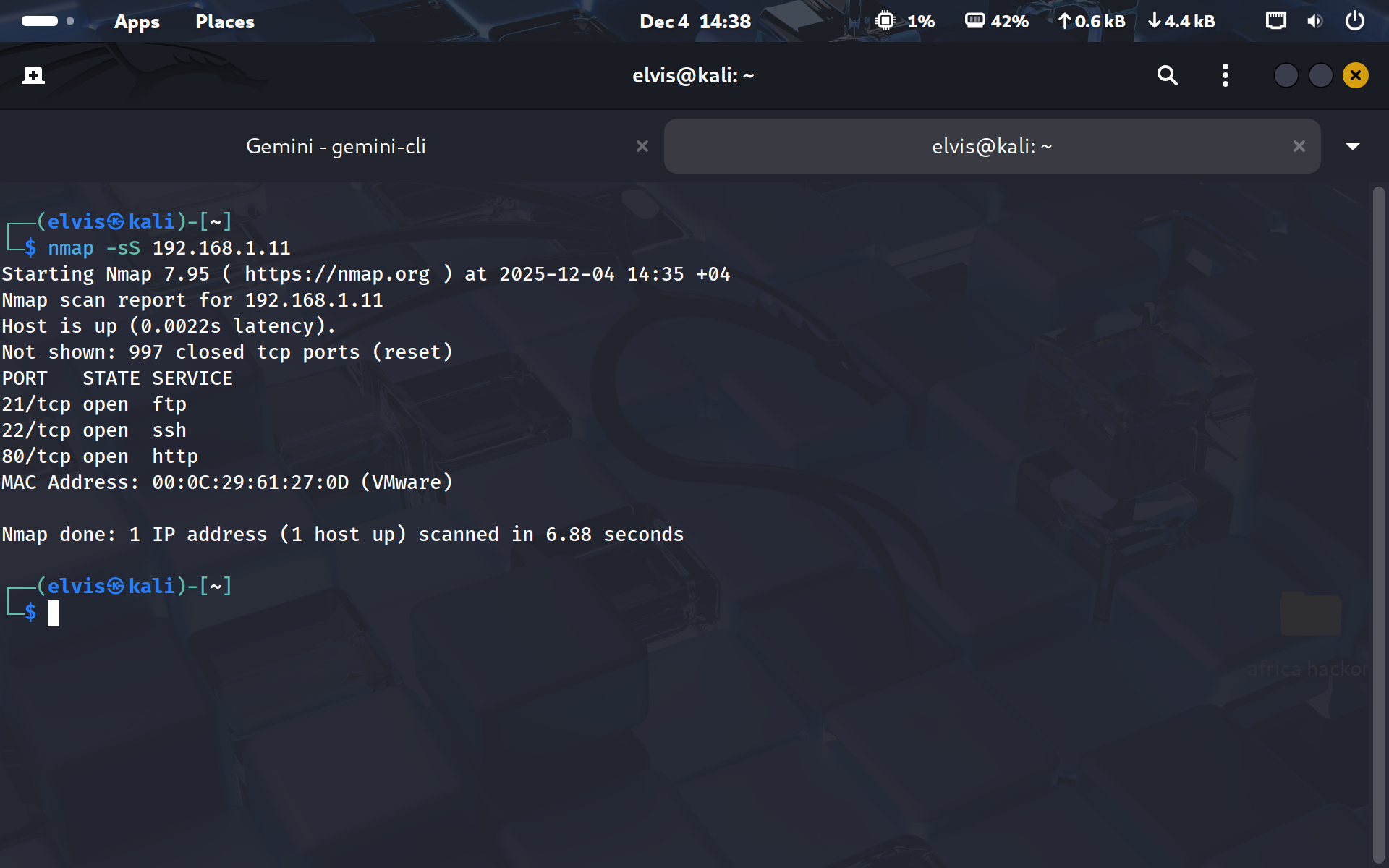
Ref 8: Nmap SYN scan against 192.168.1.11 discovers open FTP, SSH, and HTTP services used to validate the Snort scan rule.
Ref 8: Nmap SYN scan against `192.168.1.11` discovers open FTP, SSH, and HTTP services used to validate the Snort scan rule.
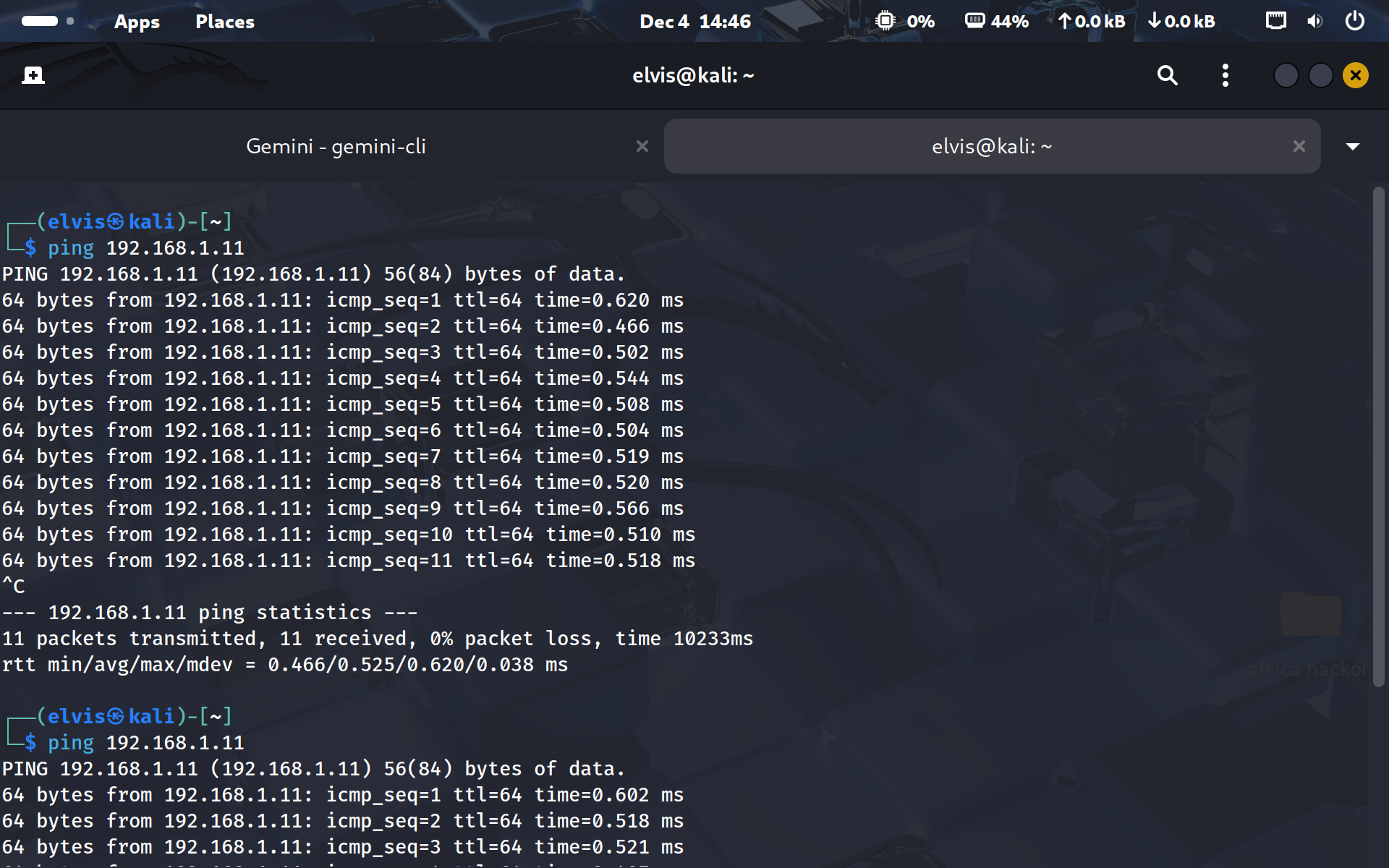
Ref 9: Ping test against 192.168.1.11 generates ICMP traffic used to validate echo request and echo reply alerts.
Ref 9: Ping test against `192.168.1.11` generates ICMP traffic used to validate echo request and echo reply alerts.